
Plato Version 11.2: Cluster Coding
Cluster Coding was introduced with ICD-10-AM Edition 13. It adds a Diagnosis Cluster Identifier (DCID) that enhances the value of coded data.
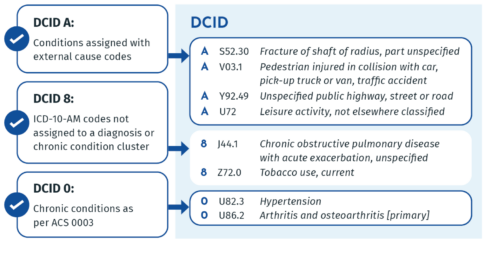
From 1 July 2025, the Independent Health and Aged Care Pricing Authority (IHACPA) has encouraged use of Cluster Coding. This involves a new data element ‘Diagnosis Cluster Identifier’ (DCID) for admission events.
Starting with Codectomy V11.2, facilities and departments can apply DCID to coded diagnoses. The Plato system can automatically assign DCID for most correctly sequenced External Cause codes and follow the IHACPA guidance, including multiple Chapter 19 codes in some instances.
Cluster Coding making a difference
A commonly quoted example involves drug-related respiratory complications such as respiratory failure (J96.99) from opioid drugs
(Y45.0). Where these arise during an admission, the episode can qualify for a funding adjustment even though the Opioid code could refer to some other diagnosis.
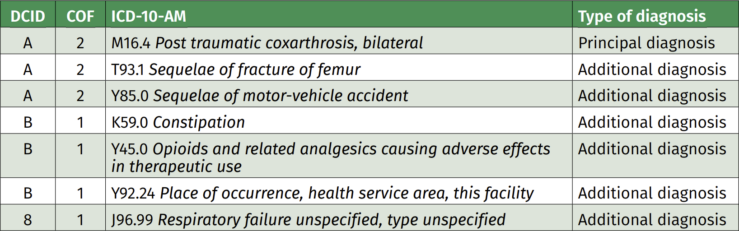
In this example, the patient experienced significant post-op constipation from opioids requiring laxatives and pain management intervention. Some days later, the patient developed respiratory failure requiring treatment. This combination previously could cause the funding adjustment to be applied. However, with DCID linking the opioid complication to constipation, and Respiratory in its own DCID=8 (meaning unrelated) cluster, a funding adjustment won't be incorrectly applied.
Enabling Cluster Coding
You can use the Codectomy Rule Manager to determine when and how Cluster Coding is activated for your facility. As with other Rules, You can specify Event date ranges, specialties, facility and any other available field. This allows Cluster Coding to be staged or deployed to best fit coding personnel and facility needs.